

Pottery
The potter has the opportunity to combine those two most important producers of happiness, form and color, and when he uses them with enthusiasm and individuality he has indeed fulfilled a mission and has created.
At the turn of the twentieth century, Americans were infatuated with the concept of art pottery. Professional artisans and amateur ceramists across the country–many of them women–sought to create works that were both beautiful and functional. Proponents of the movement responded to the crassness of mechanized society by insisting on “Beauty in common things.” Manual labor, once seen in a negative light, was now seen as something positive and having redemptive value. “Joy in one’s labor” became a noble maxim to live by, and beauty was measured in terms of the workers’ personal happiness. The Arts and Crafts movement appealed to right-minded members of society who wished to live in an environment that was elevated both morally and aesthetically.
The Two Red Roses Foundation has collected stunning examples of late nineteenth- to early twentieth-century Arts and Crafts ceramics from some of the most significant potteries in the United States: the Grueby and Paul Revere potteries in Boston; the Rookwood Pottery and Gates Potteries in the Midwest; Newcomb Pottery in New Orleans; and from the West, the Van Briggle and Rhead potteries. Significant designers and makers are well represented in the TRRF collection, with ceramics produced by Adelaide Alsop Robineau, Frederick Hurten Rhead, Arthur E. Baggs, Sadie Irvine, and Artus Van Briggle.
While the original catalogue of the pottery collection was published in 2008, a revised edition from 2017 added nearly fifty more ceramic objects that had been purchased since the first printing. “Beauty in Common Things”: American Arts and Crafts Pottery from the Two Red Roses Foundation, written by noted decorative arts scholars Martin Eidelberg and Jonathan Clancy, explores how different artisans, designers, and potteries responded to the burgeoning Arts and Crafts movement and the new emphasis placed on crafting useful items as beautiful objects.
The objects shown below represent a small sample of the pottery collection displayed in the museum. Click or tap for a larger view.
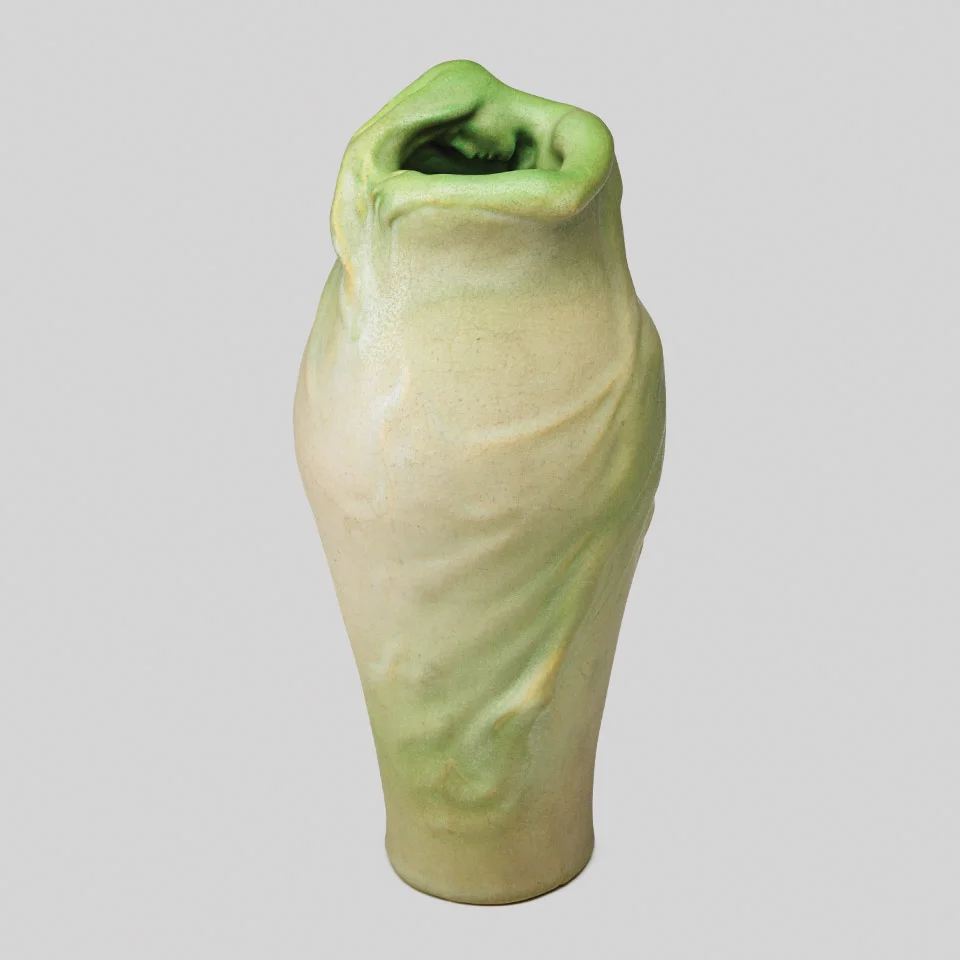
Lorelei vase, c. 1902
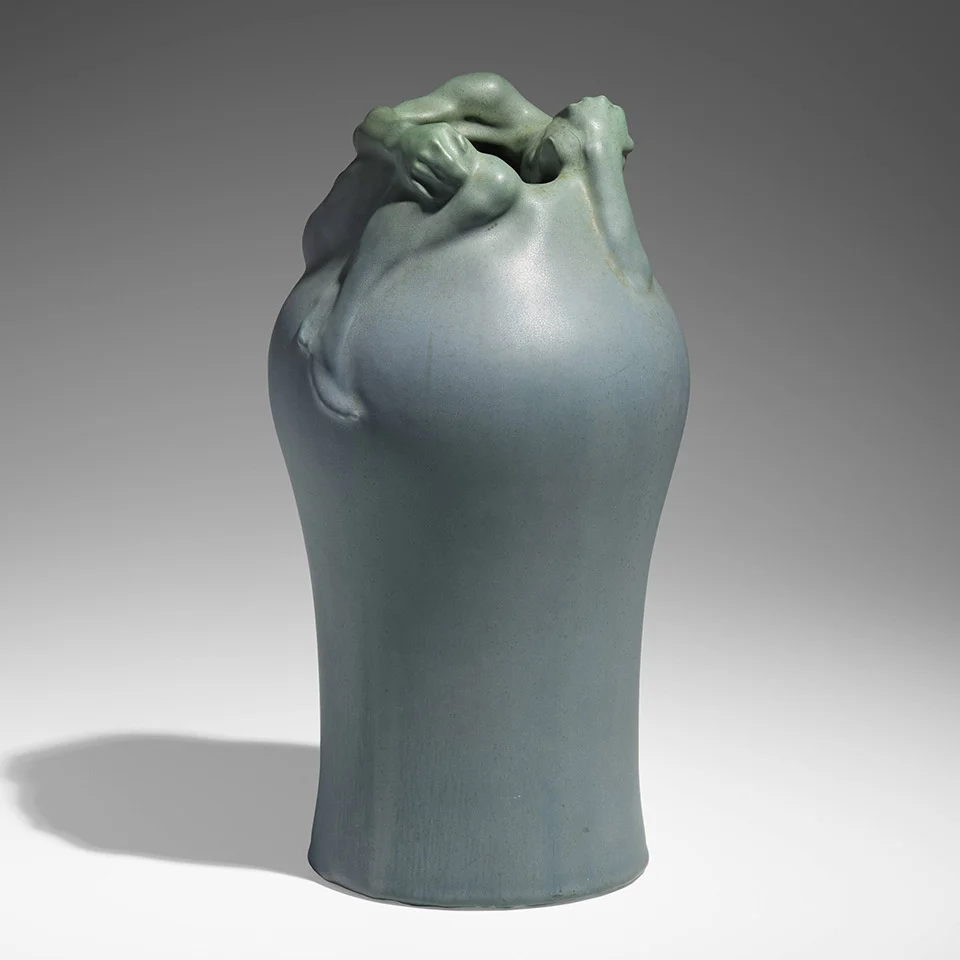
Despondency vase, 1902
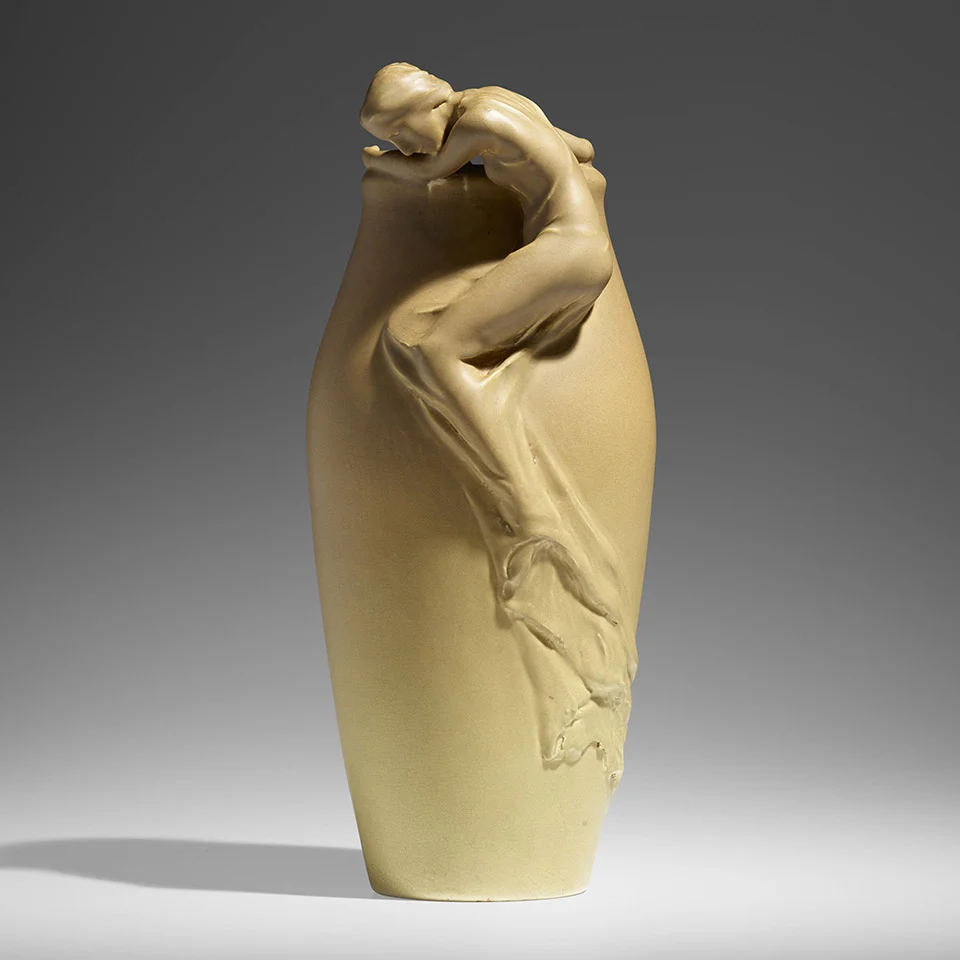
Figural vase, 1901
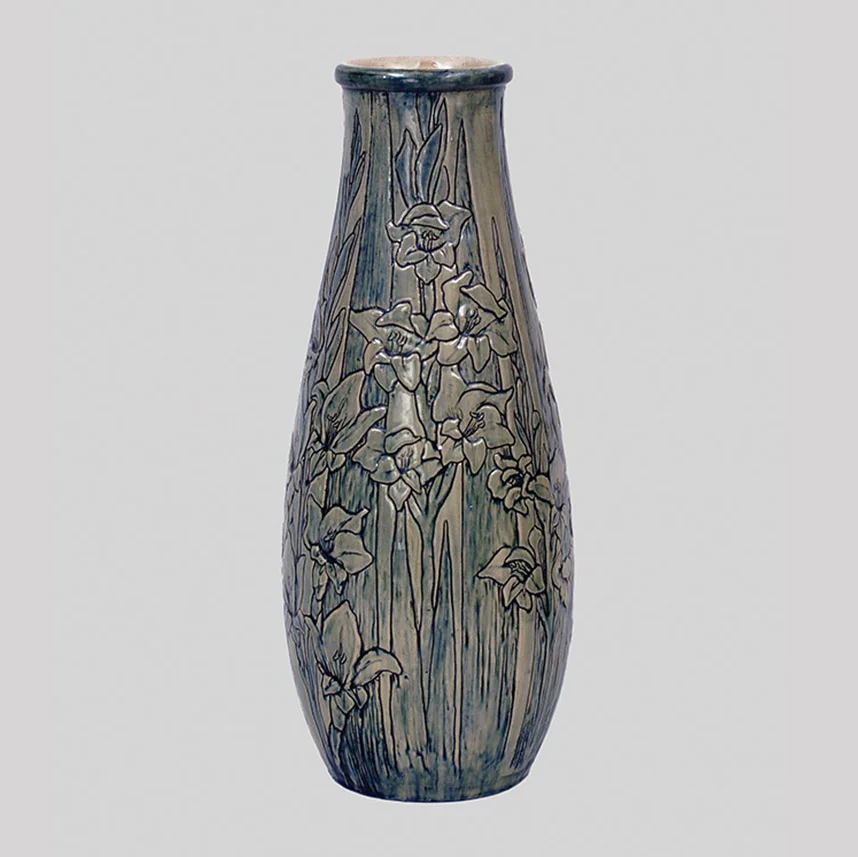
Vase with Gladiolas, c. 1903
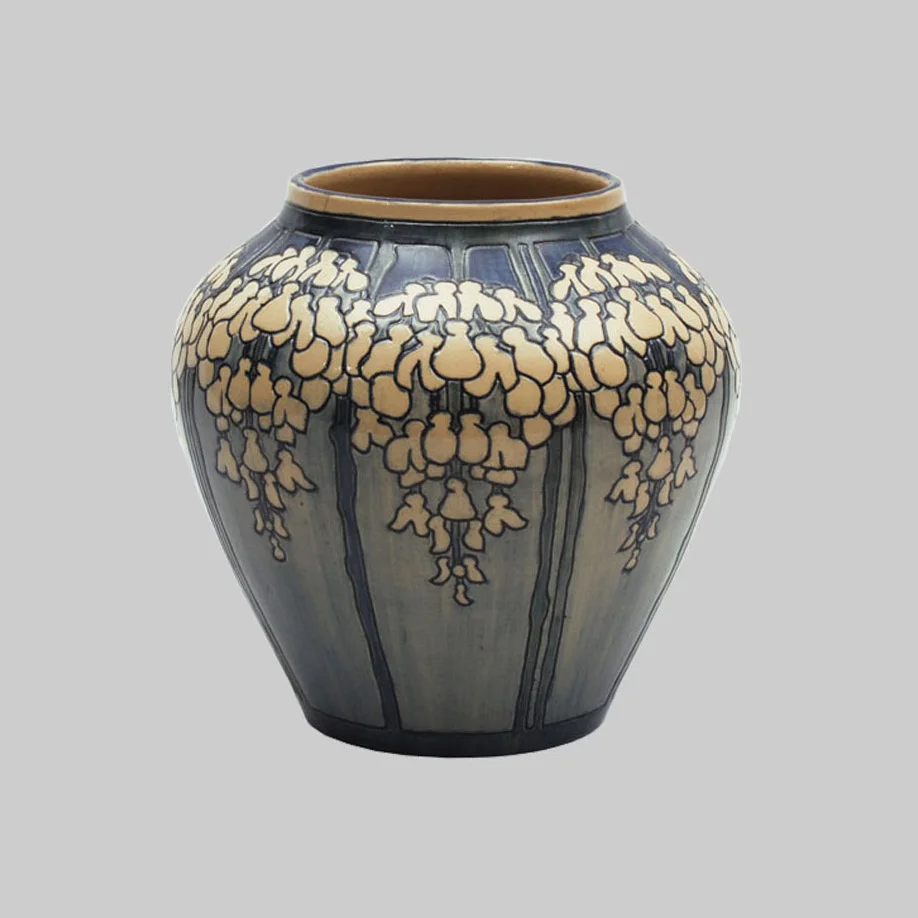
Vase with Conventionalized Wisteria Blossoms
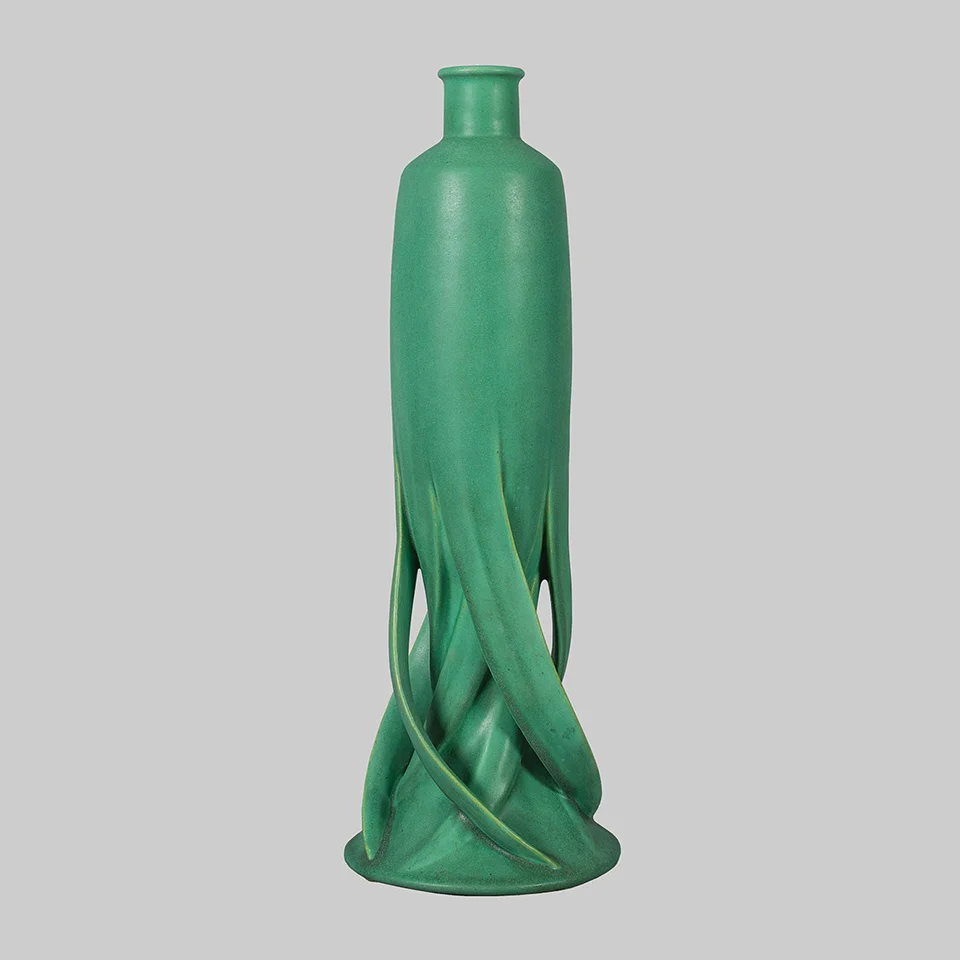
Vase (Model no. 310), c. 1904-1905
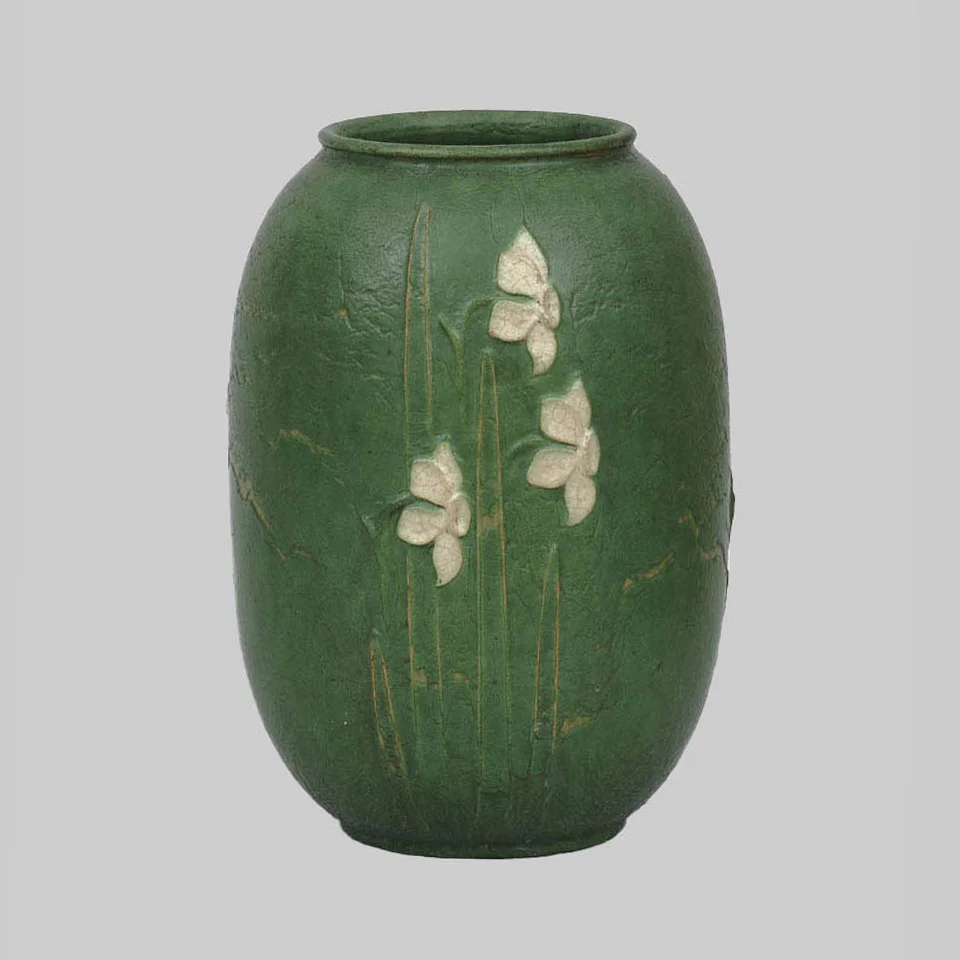
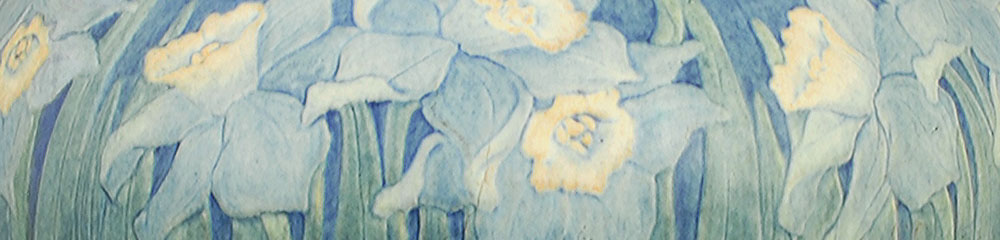
Vase with Ivory Jonquils, c. 1899-1909
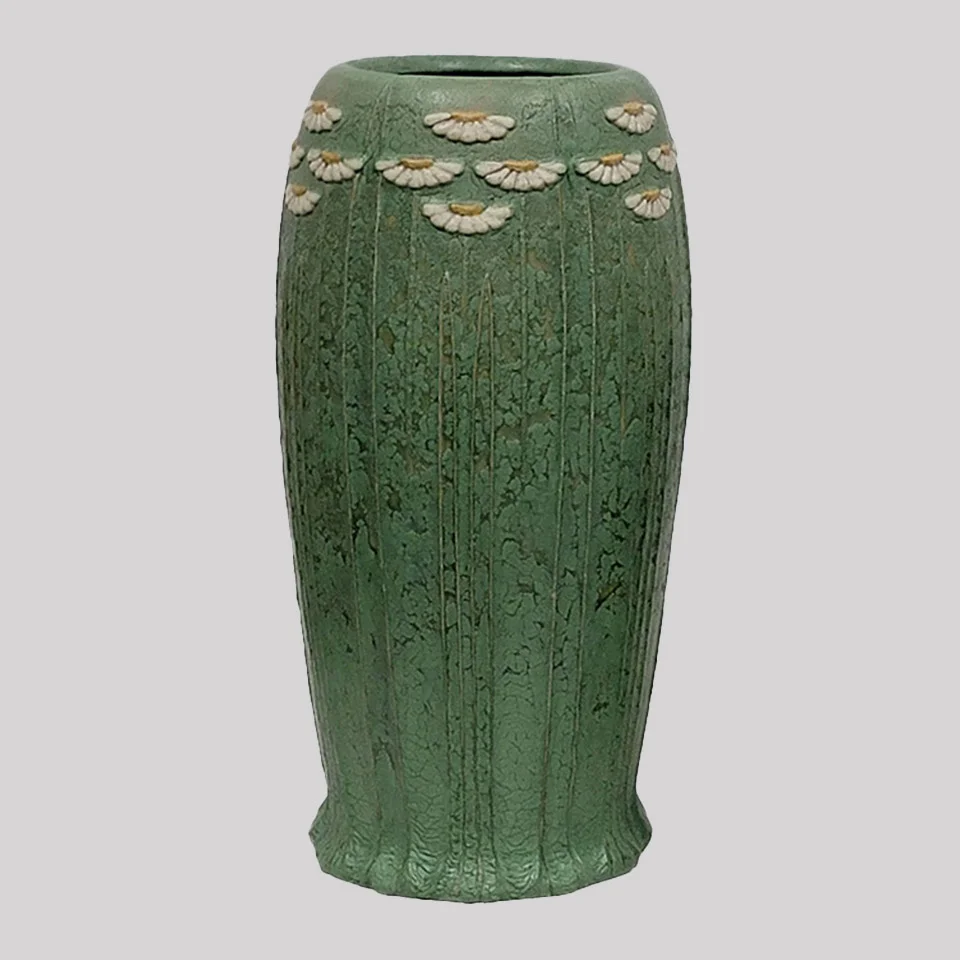
Vase with Narcissuses (Model no. 181), c. 1899-1903
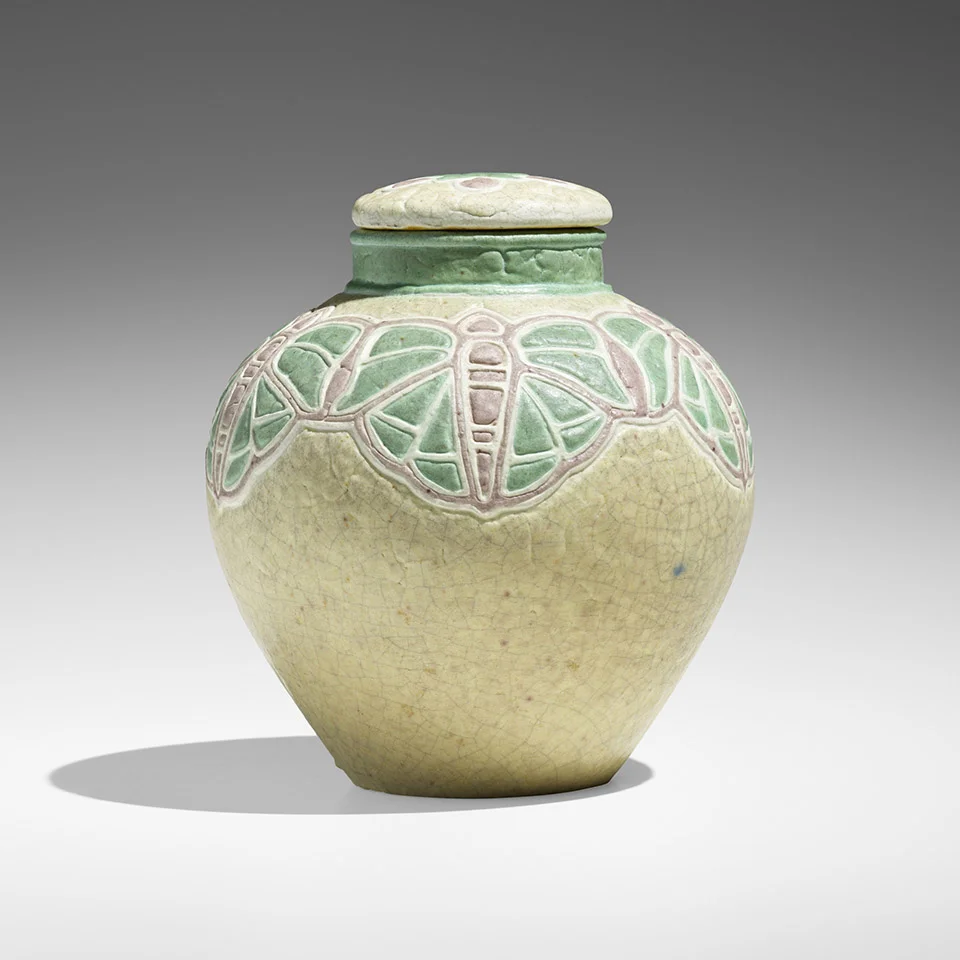
Covered jar with moths, c. 1898-1910
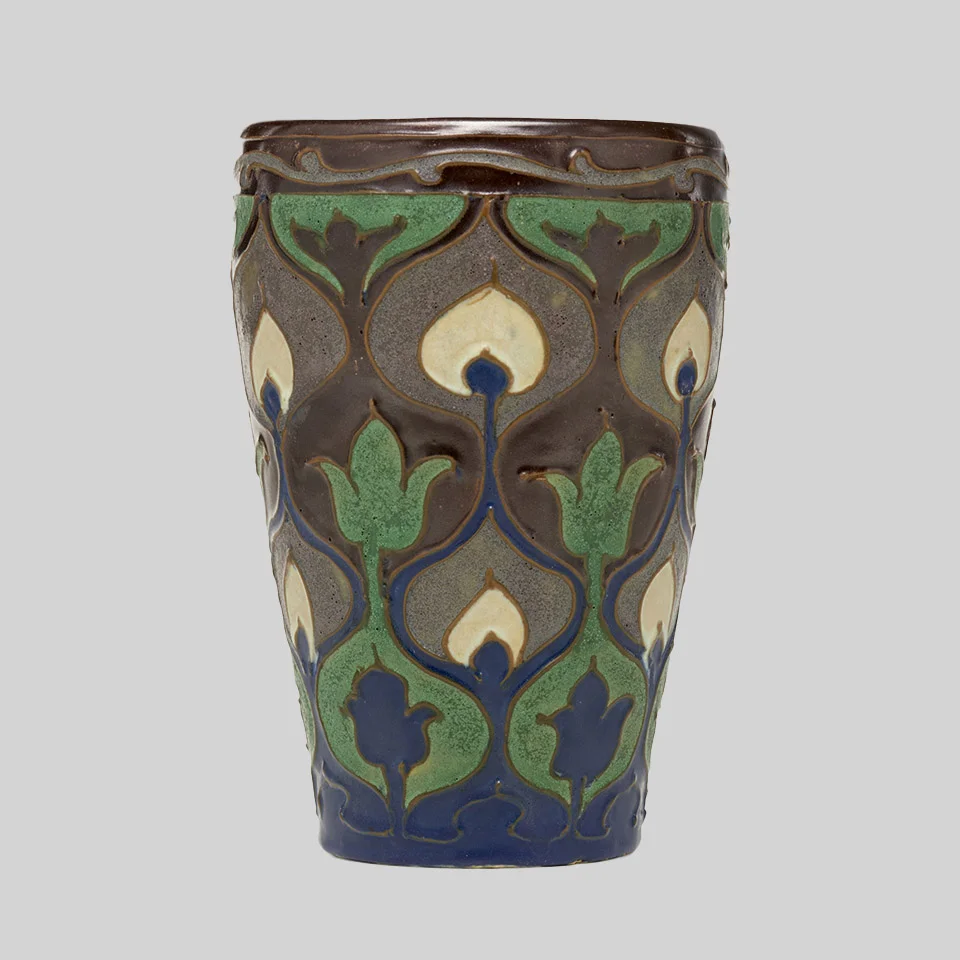
Vase with design of conventionalized Peacock feathers, 1912
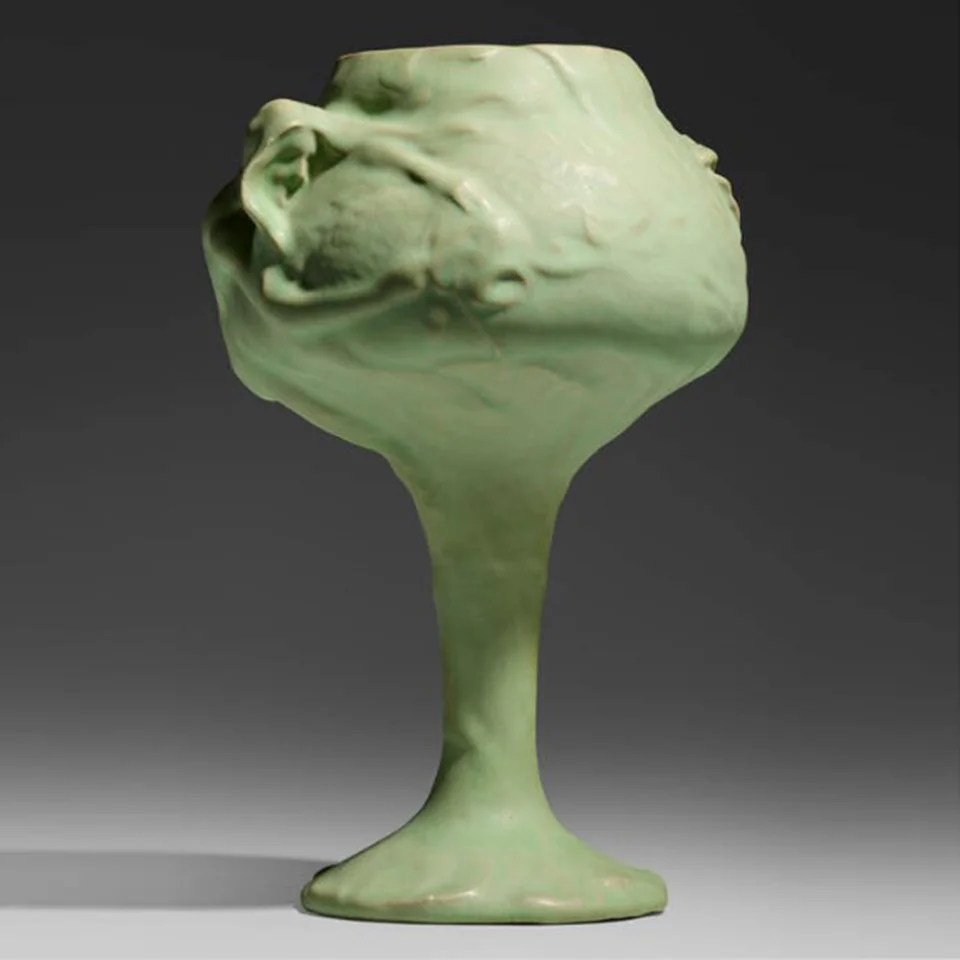
Chalice, 1902
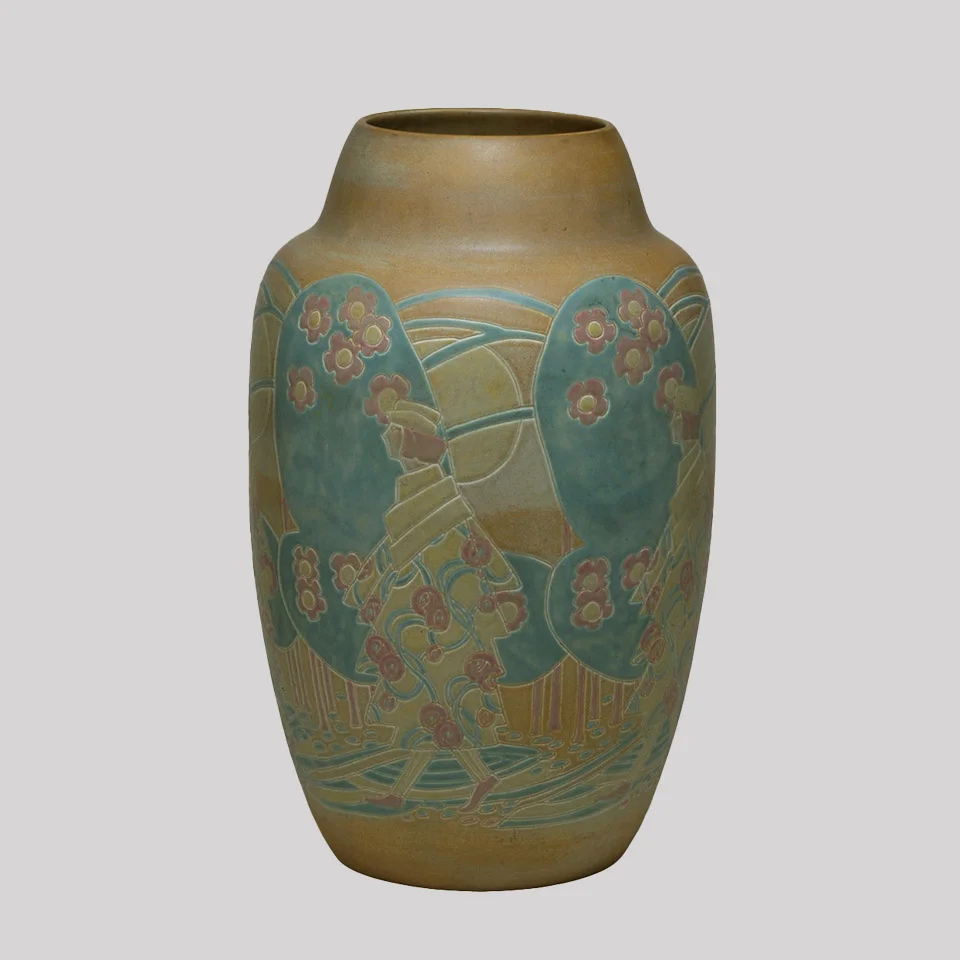
Incised vase, c. 1915
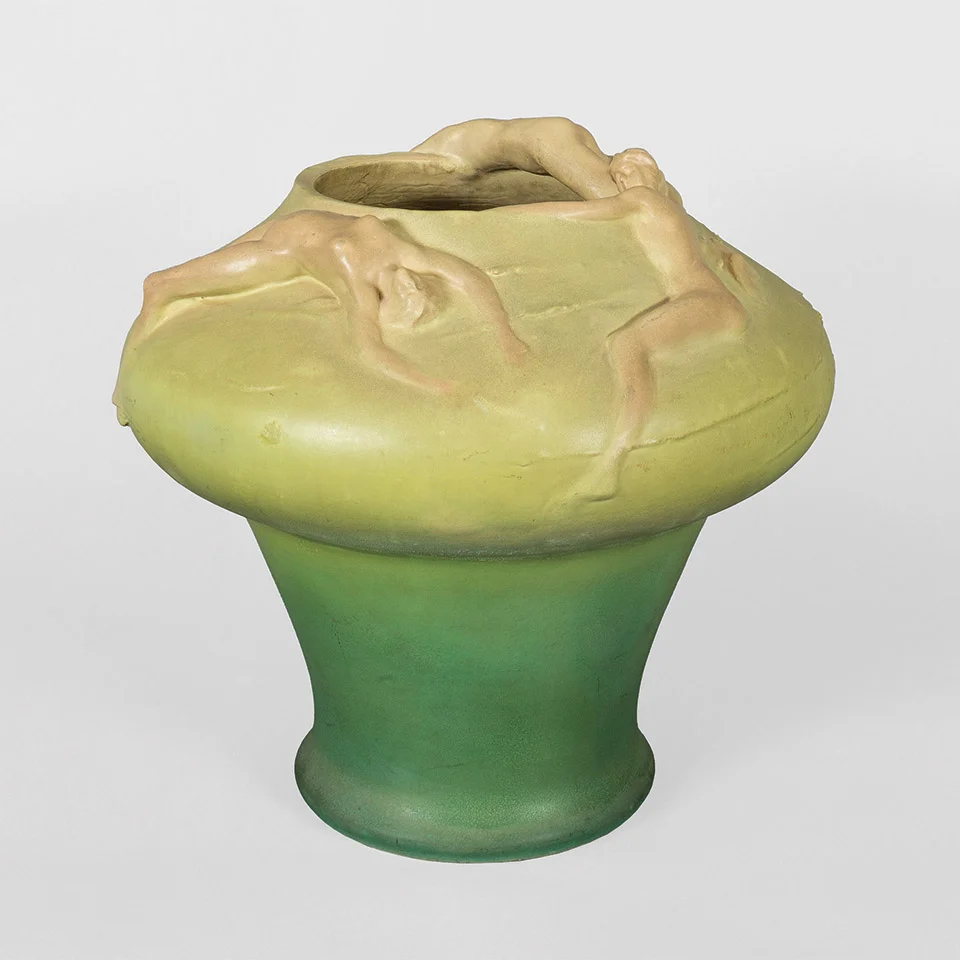
Vase with three figures, c. 1911-1913
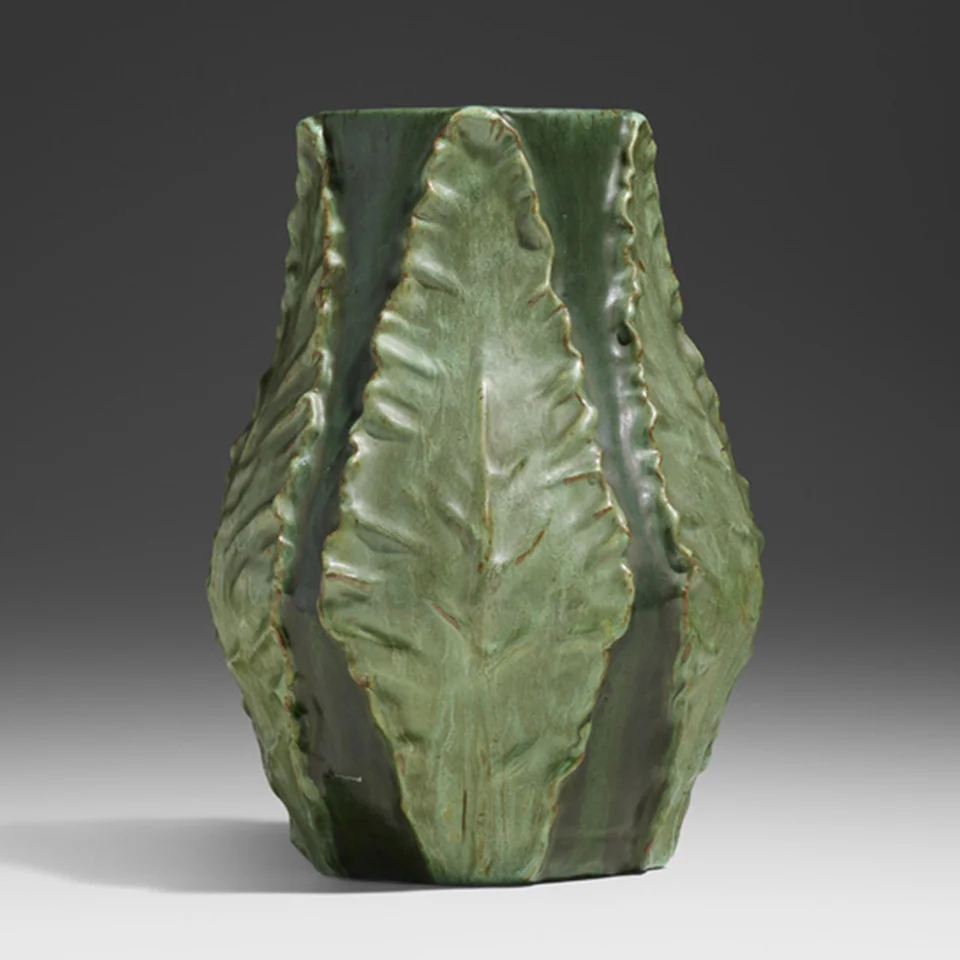
Vase with Cyclamen leaves, c. 1903-1907